ByJohn A
Can You Buy a House With an Old Roof?
Buying a house is a significant investment, and the condition of the roof is one of the most important factors to consider during the process. An old roof can raise concerns about potential repairs, insurance issues, and future expenses, but it does not necessarily mean you should walk away from a property you love. Understanding the implications of purchasing a home with an aging roof can help you make an informed decision and avoid unexpected costs down the road. This article will guide you through what to look for, potential risks, and how to navigate the buying process when the roof is past its prime.
What to Expect When Buying With an Old Roof
Understanding the Risks of an Old Roof
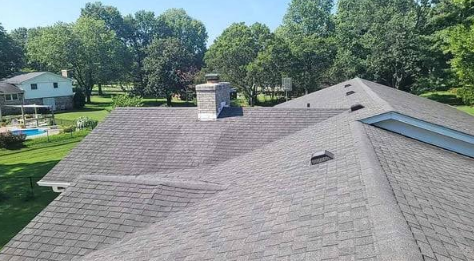
When considering a house with an old roof, it is crucial to understand the risks involved. An aging roof may have hidden damage that is not immediately visible during a casual inspection. Over time, shingles can deteriorate, flashing can become loose, and leaks may develop, leading to water damage inside the home. Moisture intrusion can cause mold growth, wood rot, and even compromise the structural integrity of the property. Additionally, older roofs are more susceptible to damage from severe weather, which can result in costly emergency repairs. Insurance companies may also be hesitant to provide coverage or may charge higher premiums for homes with roofs nearing the end of their lifespan. These factors can impact your overall investment and should be carefully weighed before making a purchase decision.
See also: Tennis Court Maintenance in Winter: Best Practices for Long-Lasting Performance
How Roof Age Affects Home Value and Negotiations
The age of a roof can significantly influence the value of a home and your ability to negotiate with the seller. If the roof is nearing the end of its expected lifespan, buyers often use this as leverage to request a price reduction or ask the seller to replace the roof before closing. Sellers may be willing to negotiate if they recognize that an old roof could deter potential buyers or lead to a failed inspection. In some cases, a seller might offer a credit at closing to offset the cost of a new roof, allowing the buyer to handle the replacement after moving in. It is important to have a professional inspection to assess the true condition of the roof and obtain estimates for replacement or repairs. This information can be invaluable during negotiations and help ensure you are not overpaying for a property that will require significant investment soon after purchase. For those searching for Roofing Indianapolis services, understanding local roofing standards and costs can further inform your decision and negotiation strategy.
Insurance and Financing Challenges
Securing insurance and financing for a home with an old roof can present unique challenges. Many insurance companies have strict guidelines regarding roof age and condition, and some may refuse to insure a property if the roof is too old or shows signs of significant wear. Without adequate insurance, obtaining a mortgage can become difficult, as lenders typically require proof of coverage before approving a loan. Even if insurance is available, premiums may be higher, and coverage could be limited, especially for damage related to the roof. It is essential to communicate with your insurance agent early in the process to determine what documentation or inspections may be required. Some insurers may request a roof certification from a licensed contractor, confirming the roof’s remaining lifespan and current condition. Being proactive about these requirements can help prevent delays in closing and ensure you are fully protected once you take ownership of the home.
Short-Term Solutions for Old Roofs
If you decide to move forward with a home that has an old roof, there are short-term solutions that can help extend its life until you are ready for a full replacement. Regular maintenance, such as cleaning gutters, replacing damaged shingles, and sealing minor leaks, can prevent further deterioration and protect your investment. Scheduling annual inspections with a qualified roofing contractor can help identify potential issues early and address them before they become major problems. While these measures are not a substitute for a new roof, they can provide peace of mind and buy you time to budget for a replacement in the future.
The Importance of a Professional Roof Inspection
A professional roof inspection is a critical step when buying a house with an old roof. Inspectors have the training and experience to identify issues that may not be visible to the untrained eye, such as hidden leaks, inadequate ventilation, or structural concerns. They can provide a detailed report outlining the roof’s current condition, estimated remaining lifespan, and recommendations for repairs or replacement. This information is invaluable for making an informed decision and can be used to negotiate with the seller or plan for future expenses. Investing in a thorough inspection can save you from unexpected costs and ensure the safety and longevity of your new home.
When Replacement Is the Only Option
In some cases, the only viable solution for an old roof is a complete replacement. If the inspection reveals extensive damage, multiple layers of shingles, or widespread leaks, patching or minor repairs may not be sufficient. A new roof can be a significant expense, but it also adds value to the home, improves energy efficiency, and provides peace of mind for years to come. Some buyers choose to negotiate with the seller to share the cost of replacement or request a credit at closing to offset the expense. It is important to obtain multiple quotes from reputable contractors and understand the different roofing materials and warranties available. Planning for a replacement early can help you avoid emergency repairs and ensure your home remains protected from the elements.
Conclusion
Purchasing a house with an old roof is not necessarily a dealbreaker, but it does require careful consideration and planning. Understanding the risks, negotiating effectively, and securing proper inspections are essential steps to protect your investment and avoid unexpected expenses. While an aging roof can present challenges with insurance and financing, proactive communication with professionals and a clear understanding of your options can help you navigate the process successfully. Whether you choose to repair, maintain, or replace the roof, being informed and prepared will ensure your new home remains safe, comfortable, and valuable for years to come.