ByJohn A
Condo Investment Trends Shaping Singapore’s Property Market
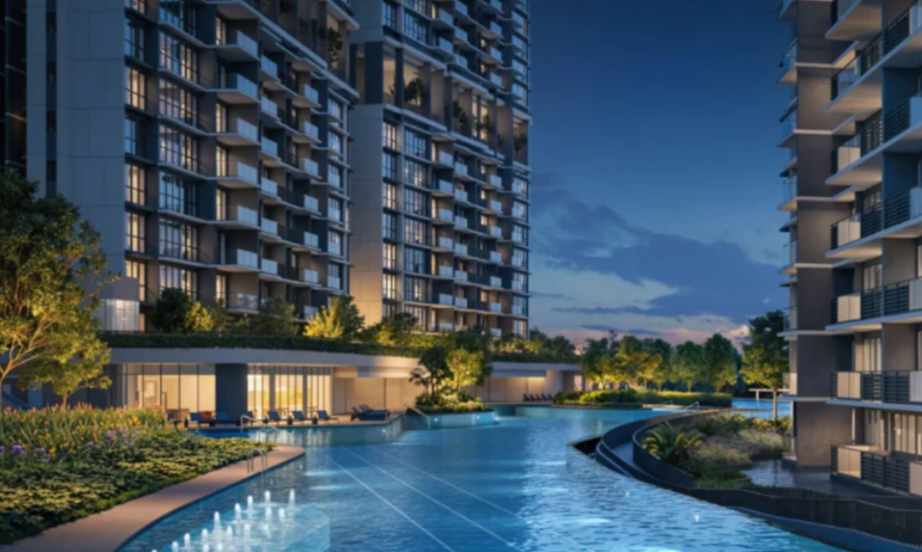
Singapore’s private residential property market continues to show resilience, drawing both local buyers and international investors. Amid shifting economic conditions and new cooling measures, understanding current condo investment trends is essential for making smart purchasing decisions. High-net-worth individuals and middle-class families alike are shifting their focus toward premium suburban developments and decentralized private estates. Projects like Thomson Reserve exemplify this shift, offering a blend of luxury living, natural surroundings, and excellent connectivity. As buyers prioritize long-term capital appreciation and livability, specific geographic pockets and design philosophies are redefining the private housing sector. This shift highlights how modern buyers assess value beyond simple square footage.
The Appeal of Premium Suburban Living
For decades, the Core Central Region (CCR) held the crown for luxury property investments. However, recent transaction data reveals a significant shift toward the Outside Central Region (OCR) and the Rest of Central Region (RCR). Modern buyers now seek larger living spaces, proximity to nature parks, and reputable schools, which suburban developments readily provide. This trend has fueled massive interest in master-planned residential enclaves that offer a self-contained lifestyle away from the chaotic city center.
Decentralization and Infrastructure Growth
Government initiatives to decentralize commercial hubs have made outer regions highly attractive. When major employment nodes move closer to residential areas, commute times drop, and rental demand rises. Investors are closely watching areas like Lentor Garden, where upcoming infrastructure projects and new transit lines promise seamless connectivity. These localities are no longer considered remote suburbs; they are thriving micro-markets with their own dining, retail, and lifestyle amenities. Consequently, properties in these zones often experience faster capital growth compared to mature estates. Buyers realize that entering a growing neighborhood early yields better long-term returns. This transition from city-centric investing to suburban growth corridors represents a fundamental change in how Singaporeans view real estate value.
The Demand for Transit-Oriented Developments
Connectivity remains a non-negotiable factor for property buyers in Singapore. Transit-Oriented Developments (TODs) and projects located within a short walking distance of MRT stations command a premium in both the resale and rental markets. With the expansion of the Thomson-East Coast Line (TEL), previously underserved areas have gained direct access to the Central Business District and the Marina Bay financial area. This infrastructure boost instantly elevates the investment profile of nearby residential projects.
Evaluating Rental Yields Near Transit Hubs
For landlords, purchasing a unit near a major transport node minimizes vacancy rates. Tenants, especially expatriates and young professionals, willingly pay a premium for hassle-free daily commutes. Developments such as Thomson Reserve benefit immensely from this trend, as their strategic positioning allows residents to reach key commercial districts in under thirty minutes. Furthermore, proximity to interchanges that connect multiple MRT lines provides an extra layer of future-proof value. When economic downturns occur, properties with superior transport links tend to retain their value much better than isolated projects. Investors looking for stable rental income prioritize these transit-adjacent homes because they consistently attract high-quality tenants who value convenience above all else.
Green Spaces and Biophilic Residential Design
Environmental sustainability is no longer a niche preference; it is a mainstream expectation among modern property buyers. Singapore’s “City in Nature” vision has influenced developers to integrate lush green landscapes, energy-efficient systems, and wellness-focused amenities directly into their architectural blueprints. Buyers actively seek homes that offer clean air, natural cooling, and dedicated spaces for relaxation and mental well-being.
Bridging Urban Comfort and Nature
Developments that seamlessly blend concrete structures with natural elements see high demand. In green enclaves like Lentor Garden, developers prioritize low-impact construction methods, solar-powered common areas, and extensive rainwater harvesting systems. These eco-friendly features do more than just reduce the carbon footprint; they significantly lower utility bills for residents over time. Additionally, biophilic designs that incorporate vertical gardens, sky terraces, and walking trails foster a strong sense of community. Buyers are willing to pay a premium for properties that promote a healthy, balanced lifestyle. This focus on sustainable living ensures that green properties maintain high demand in the resale market, as future generations of home buyers will undoubtedly place an even higher premium on environmental responsibility and personal wellness features.
Smart Home Technology and Hybrid Work Amenities
The rise of remote and hybrid work models has permanently altered how residents utilize their living spaces. Homebuyers now require versatile layouts that can easily accommodate home offices without sacrificing personal comfort. Consequently, developers are redesigning floor plans to include flexible study corners, high-speed fiber-optic connectivity, and smart home automation systems that manage lighting, temperature, and security remotely.
Co-Working Spaces Within Condominiums
Modern condominium clubhouses are evolving to meet these professional needs. Instead of basic function rooms, newer developments feature fully equipped co-working spaces, private meeting pods, and high-speed Wi-Fi zones. Projects like Thomson Reserve lead this transformation by offering state-of-the-art business facilities alongside traditional recreational amenities like pools and gyms. This allows residents to separate their professional and personal lives without leaving their residential compound. Similarly, upcoming projects around Lentor Garden are integrating these hybrid-friendly amenities to attract young entrepreneurs and corporate professionals. As the boundaries between work and home continue to blur, properties that offer these integrated lifestyle solutions will command higher valuation premiums and attract a broader pool of discerning buyers and tenants.
Conclusion
Singapore’s condominium market is undergoing a significant transformation driven by changing buyer priorities, transit expansions, and a deep appreciation for sustainable living. Investors who adapt to these trends by targeting premium suburban developments, transit-oriented projects, and eco-friendly designs position themselves for excellent long-term capital growth. Whether looking at established premium choices or upcoming green enclaves, the emphasis remains on lifestyle quality, connectivity, and smart amenities. By keeping these evolving preferences in mind, buyers can confidently make informed decisions that secure both their financial future and their desired quality of life in one of the world’s most dynamic real estate markets.
Urban landscapes.