Byadmin
High Protein Breakfast Without Eggs: 15 Delicious and Nutritious Ideas to Start Your Day
A high-protein breakfast doesn’t have to include eggs. Whether you’re allergic to eggs, follow a vegan diet, simply don’t enjoy their taste, or want more variety in your morning routine, there are plenty of nutritious alternatives that deliver the protein your body needs.
Protein plays a vital role in supporting muscle maintenance, promoting fullness, stabilizing blood sugar levels, and providing sustained energy throughout the morning. With the right ingredients, you can easily prepare satisfying breakfasts that are rich in protein without relying on eggs.
This guide explores the best high-protein breakfast ideas without eggs, along with practical tips for building balanced meals that support your health goals.
Why Choose a High-Protein Breakfast?
Starting your day with adequate protein offers several science-backed benefits.
A protein-rich breakfast may help:
- Increase feelings of fullness and reduce hunger later in the day.
- Support muscle growth and recovery.
- Help maintain stable blood sugar levels when paired with fiber.
- Improve overall diet quality.
- Provide long-lasting energy for work, school, or exercise.
Most nutrition experts recommend including around 20–30 grams of protein at breakfast, although individual needs vary depending on age, activity level, and health goals.
What Makes a Good High-Protein Breakfast Without Eggs?
An ideal breakfast should combine protein with healthy carbohydrates, fiber, and healthy fats.
Good protein sources include:
- Greek yogurt
- Cottage cheese
- Milk or soy milk
- Protein powder
- Tofu
- Tempeh
- Edamame
- Nuts and seeds
- Nut butters
- Oats
- Quinoa
- Chickpeas
- Beans
Pair these with fruits, vegetables, whole grains, or healthy fats for a balanced meal.
15 High Protein Breakfast Ideas Without Eggs
1. Greek Yogurt Power Bowl
Greek yogurt is one of the highest-protein breakfast foods available.
Ingredients
- 1 cup plain Greek yogurt
- Mixed berries
- Chia seeds
- Almonds
- Honey (optional)
Protein
Approximately 22–25 grams
Why it’s great:
- Rich in probiotics
- High in calcium
- Quick to prepare
- Naturally creamy and filling
2. Overnight Oats with Protein Powder
Prepare this breakfast the night before for a convenient morning meal.
Ingredients
- Rolled oats
- Milk or soy milk
- Vanilla protein powder
- Chia seeds
- Blueberries
Protein
Approximately 25–30 grams
Benefits include:
- High fiber
- Slow-digesting carbohydrates
- Easy meal prep
- Customizable flavors
3. Cottage Cheese and Fruit Bowl
Cottage cheese offers impressive protein with minimal preparation.
Top with:
- Pineapple
- Peaches
- Strawberries
- Walnuts
- Pumpkin seeds
Protein
About 25 grams per cup
4. Protein Smoothie
A smoothie is ideal when you’re short on time.
Blend together:
- Protein powder
- Banana
- Spinach
- Frozen berries
- Peanut butter
- Soy or dairy milk
Protein
Around 30 grams
Optional additions:
- Hemp seeds
- Flaxseed
- Oats
- Greek yogurt
5. Tofu Breakfast Scramble
Tofu makes an excellent egg alternative.
Cook crumbled firm tofu with:
- Turmeric
- Garlic
- Onion
- Mushrooms
- Bell peppers
- Spinach
Serve alongside whole-grain toast.
Protein
Approximately 20–25 grams
6. Peanut Butter Protein Toast
Upgrade classic toast with extra protein.
Ingredients:
- Whole grain bread
- Natural peanut butter
- Hemp seeds
- Banana slices
Protein
18–22 grams
For more protein, serve with a glass of milk or soy milk.
7. High-Protein Chia Pudding
Chia seeds absorb liquid overnight to create a creamy pudding.
Mix:
- Chia seeds
- Milk
- Vanilla extract
- Cinnamon
Top with:
- Greek yogurt
- Fresh fruit
- Almonds
Protein
20–25 grams
8. Protein Pancakes
Skip traditional pancakes by using protein-rich ingredients.
Use:
- Oat flour
- Protein powder
- Cottage cheese
- Milk
Serve with berries and almond butter.
Protein
20–30 grams
9. Quinoa Breakfast Bowl
Quinoa isn’t just for lunch or dinner.
Combine cooked quinoa with:
- Greek yogurt
- Cinnamon
- Apple slices
- Pecans
Protein
18–22 grams
Quinoa also provides all nine essential amino acids.
10. Cottage Cheese Toast
Spread cottage cheese over whole-grain toast.
Top with:
- Tomatoes
- Avocado
- Black pepper
- Pumpkin seeds
Protein
20–25 grams
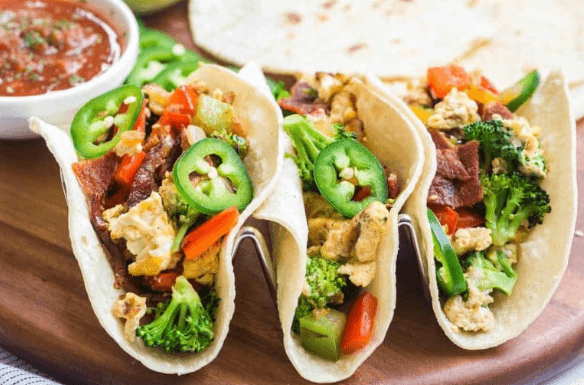
11. Tofu Breakfast Burrito
Fill a whole-wheat tortilla with:
- Tofu scramble
- Black beans
- Salsa
- Avocado
- Spinach
Protein
25–30 grams
Perfect for meal prep.
12. Protein Oatmeal
Boost ordinary oatmeal with extra protein.
Mix in:
- Protein powder
- Peanut butter
- Hemp seeds
- Milk
Top with sliced banana.
Protein
25 grams
13. Edamame and Avocado Toast
Edamame provides plant-based complete protein.
Mash cooked edamame with avocado.
Spread on whole-grain toast.
Protein
18–22 grams
14. Homemade Protein Muffins
Bake muffins using:
- Oats
- Protein powder
- Greek yogurt
- Banana
Protein
10–15 grams each
Pair with milk or yogurt for a complete breakfast.
15. Chickpea Breakfast Bowl
Roasted chickpeas make an excellent savory breakfast.
Serve with:
- Spinach
- Tomatoes
- Avocado
- Quinoa
- Tahini dressing
Protein
20–25 grams
Best Plant-Based Protein Sources for Breakfast
If you’re avoiding both eggs and dairy, these ingredients provide excellent protein.
| Food | Protein (Approx.) |
|---|---|
| Tofu (100 g) | 8–10 g |
| Tempeh (100 g) | 19 g |
| Soy milk (1 cup) | 7–8 g |
| Edamame (1 cup) | 17 g |
| Peanut butter (2 tbsp) | 8 g |
| Hemp seeds (3 tbsp) | 10 g |
| Chia seeds (2 tbsp) | 5 g |
| Pumpkin seeds (¼ cup) | 9 g |
| Protein powder (1 scoop) | 20–30 g |
| Quinoa (1 cup cooked) | 8 g |
Tips to Increase Protein at Breakfast
Small adjustments can significantly boost protein intake.
Try these ideas:
- Add Greek yogurt to smoothies.
- Stir protein powder into oatmeal.
- Choose high-protein milk instead of water.
- Sprinkle hemp or pumpkin seeds over meals.
- Include nuts or nut butter.
- Use cottage cheese as a toast topping.
- Add beans or tofu to savory breakfasts.
Common Mistakes to Avoid
Many breakfast choices appear healthy but contain very little protein.
Avoid relying only on:
- Sugary cereal
- White toast
- Pastries
- Fruit alone
- Juice-only breakfasts
Instead, pair carbohydrates with quality protein and fiber to create a more satisfying meal.
Who Benefits Most from a High-Protein Breakfast?
High-protein breakfasts can be especially beneficial for:
- Athletes
- Busy professionals
- Students
- Older adults
- People trying to lose weight
- Vegetarians
- Individuals looking to maintain muscle mass
Protein supports many bodily functions, making it an important nutrient across different lifestyles.
How Much Protein Should Breakfast Contain?
Protein needs vary by person, but many adults benefit from aiming for 20–30 grams of protein at breakfast as part of their daily intake.
Factors affecting protein requirements include:
- Age
- Body size
- Physical activity
- Health conditions
- Fitness goals
Consult a registered dietitian or healthcare professional if you have specific dietary needs or medical conditions.
Conclusion
A nutritious breakfast without eggs can be just as satisfying and protein-rich as traditional options. Foods such as Greek yogurt, cottage cheese, tofu, protein smoothies, quinoa, legumes, nuts, and seeds make it easy to build balanced meals that support energy, fullness, and muscle health.
Whether your goal is weight management, improved athletic performance, or simply adding more variety to your mornings, these high-protein breakfast ideas provide practical, delicious solutions. By combining quality protein with whole grains, fruits, vegetables, and healthy fats, you can create breakfasts that fuel your body and keep you feeling satisfied throughout the day.
Frequently Asked Questions (FAQs)
1. What is the best high-protein breakfast without eggs?
Greek yogurt with berries and seeds, a protein smoothie, tofu scramble, or cottage cheese with fruit are among the best options because they provide 20–30 grams of protein while offering a balanced mix of nutrients.
2. Can I get enough protein without eating eggs?
Yes. Dairy products, soy foods, legumes, nuts, seeds, whole grains, and protein powders are all excellent protein sources that can easily meet your daily protein needs.
3. What is a good vegan high-protein breakfast?
A tofu scramble, overnight oats with soy milk and protein powder, chia pudding, edamame toast, or a smoothie made with plant-based protein powder are all nutritious vegan choices.
4. Is oatmeal high in protein?
Plain oatmeal contains a moderate amount of protein, about 5–6 grams per cooked cup. You can significantly increase its protein content by adding protein powder, Greek yogurt, soy milk, nuts, or seeds.
5. Are protein smoothies healthy for breakfast?
Yes. When made with quality ingredients such as fruit, protein powder, milk or soy milk, healthy fats, and fiber-rich foods, protein smoothies can provide a balanced, filling, and convenient breakfast.