ByJohn A
How Breathable Packaging Improves Efficiency Across Distribution Networks
Modern distribution networks are responsible for moving millions of products from manufacturers to consumers every day. Whether transporting fresh produce, food products, pharmaceuticals, industrial materials, or consumer goods, businesses face increasing pressure to improve efficiency while maintaining product quality. As supply chains become larger and more complex, packaging has evolved from a simple protective layer into a strategic component of logistics performance.
One area receiving significant attention is breathable packaging. Designed to promote airflow while protecting palletized loads, breathable packaging solutions help businesses address common challenges related to temperature control, moisture management, product preservation, and transportation efficiency. For companies operating large-scale distribution networks, the benefits can be substantial.
This article explores how breathable packaging improves efficiency throughout modern supply chains and why it has become an important consideration for logistics professionals.
Understanding Distribution Network Challenges
Distribution networks involve multiple stages before products reach their final destination.
Typical stages include:
- Manufacturing facilities
- Warehouses
- Distribution centers
- Transportation hubs
- Retail locations
- End consumers
At each stage, products may encounter environmental changes, handling risks, and storage challenges.
Common issues include:
- Temperature fluctuations
- Moisture buildup
- Product spoilage
- Load instability
- Transportation delays
- Inventory losses
Effective packaging plays a critical role in minimizing these risks.
The Growing Importance of Packaging Efficiency
As supply chain costs continue to rise, organizations are looking for ways to improve operational performance without compromising product quality.
Packaging directly affects:
- Transportation efficiency
- Storage utilization
- Product protection
- Warehouse productivity
- Customer satisfaction
Even small improvements in packaging performance can generate significant cost savings across large distribution networks.
What Makes Packaging Breathable?
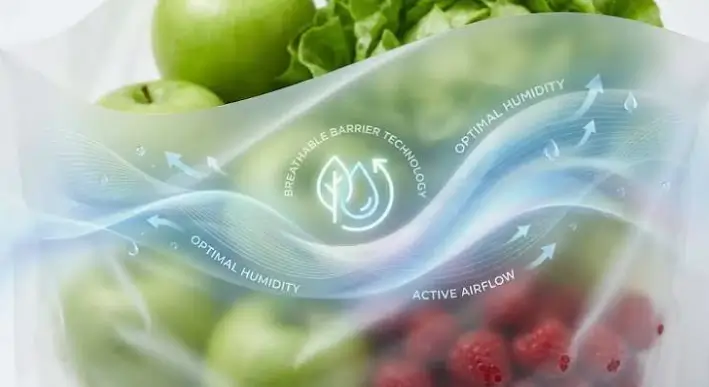
Breathable packaging is designed to allow air circulation around products while maintaining load security.
Unlike traditional packaging methods that may restrict airflow, breathable solutions support:
- Temperature consistency
- Moisture reduction
- Ventilation
- Product preservation
This approach is particularly valuable for products that are sensitive to environmental conditions.
Improving Airflow Throughout the Supply Chain
Airflow is one of the most overlooked aspects of logistics efficiency.
Proper air circulation helps maintain stable environmental conditions during:
- Storage
- Transportation
- Refrigeration
- Distribution
Without sufficient airflow, products may experience uneven cooling, condensation, and accelerated deterioration.
Breathable packaging supports more consistent airflow across palletized loads, helping maintain product quality from origin to destination.
Enhancing Cold Chain Performance
Cold chain logistics depends heavily on airflow.
Refrigeration systems require proper circulation to distribute cold air evenly throughout storage facilities and transportation vehicles.
Poor airflow can create:
- Temperature inconsistencies
- Hot spots
- Increased energy consumption
- Reduced cooling efficiency
Breathable packaging helps optimize refrigeration performance by allowing air to move freely around products.
This can improve both product quality and operational efficiency.
Reducing Product Spoilage
Spoilage remains a major concern for many industries, particularly those dealing with perishable goods.
Fresh produce, dairy products, flowers, and certain pharmaceuticals are highly sensitive to environmental conditions.
When products are exposed to excess moisture or uneven temperatures, the risk of spoilage increases significantly.
Benefits of improved airflow include:
- Better freshness retention
- Reduced waste
- Extended shelf life
- Improved inventory value
Organizations that reduce spoilage often experience immediate financial benefits.
Moisture Management Benefits
Moisture accumulation can cause a variety of problems throughout distribution networks.
Excess moisture may result in:
- Mold growth
- Product damage
- Packaging deterioration
- Reduced product quality
Condensation frequently develops when temperature-sensitive products move between different environments.
Breathable packaging helps reduce moisture buildup by allowing humidity to escape while maintaining load protection.
Improving Warehouse Operations
Efficient warehousing depends on effective packaging systems.
Well-designed packaging contributes to:
- Easier handling
- Better inventory management
- Improved storage efficiency
- Reduced product damage
Products that remain stable and protected require less intervention and create fewer operational disruptions.
Warehouse teams benefit from packaging solutions that support both protection and efficiency.
Supporting Transportation Efficiency
Transportation represents one of the largest expenses within many supply chains.
Improved packaging can help reduce transportation-related challenges by:
- Protecting products during transit
- Maintaining load stability
- Reducing product losses
- Supporting environmental control
Fewer damaged shipments lead to lower replacement costs and improved customer satisfaction.
Strengthening Product Quality
Product quality directly affects brand reputation and customer loyalty.
Consumers expect products to arrive:
- Fresh
- Undamaged
- Safe
- Ready for use
Packaging plays a vital role in meeting these expectations.
Breathable packaging helps maintain product quality by creating a more stable environment throughout transportation and storage.
Sustainability Advantages
Sustainability has become a major focus for businesses worldwide.
Organizations are seeking ways to reduce waste while improving operational performance.
Breathable packaging contributes to sustainability by:
- Reducing spoilage
- Minimizing product losses
- Improving transportation efficiency
- Supporting resource conservation
Reducing waste not only benefits the environment but also improves profitability.
Industries Benefiting From Breathable Packaging
Agriculture and Produce
Fresh fruits and vegetables require airflow to maintain freshness during transportation.
Food and Beverage
Temperature-sensitive products benefit from improved ventilation and moisture control.
Pharmaceuticals
Proper environmental management supports product effectiveness and regulatory compliance.
Floral Distribution
Flowers remain fresher when transported under controlled conditions with adequate airflow.
Industrial Applications
Certain industrial products also benefit from packaging systems that reduce moisture-related risks.
See also: The Complete DRHP Filing Checklist for SEBI: What Investment Bankers Expect in 2025
Best Practices for Implementation
Organizations considering breathable packaging should evaluate:
Product Characteristics
Understand environmental requirements and sensitivity levels.
Transportation Conditions
Consider shipping duration, climate, and storage environments.
Warehouse Operations
Assess airflow requirements within storage facilities.
Packaging Performance Goals
Identify objectives such as spoilage reduction, efficiency improvement, or sustainability enhancement.
A strategic approach helps maximize packaging effectiveness.
Future Trends in Distribution Packaging
The packaging industry continues to innovate in response to changing supply chain demands.
Emerging developments include:
- Smart packaging technologies
- Real-time monitoring systems
- Sustainable packaging materials
- Enhanced airflow designs
- Data-driven logistics solutions
These innovations are helping organizations improve both efficiency and product protection.
Packaging specialists such as Contipack Inc Packaging continue to support businesses by developing solutions that align with modern logistics requirements and operational goals.
Why Businesses Are Adopting Airflow-Friendly Solutions
Organizations are recognizing that packaging affects far more than product containment.
Effective packaging contributes to:
- Better product preservation
- Lower operational costs
- Improved customer experiences
- Greater supply chain reliability
As distribution networks become increasingly complex, airflow-friendly packaging solutions are becoming an important competitive advantage.
Conclusion
Efficiency is a critical objective for modern distribution networks. Businesses must balance product protection, transportation performance, sustainability, and customer satisfaction while controlling costs.
Breathable packaging provides a practical solution to many of these challenges by improving airflow, reducing moisture accumulation, supporting temperature management, and enhancing product quality. These benefits contribute directly to stronger logistics performance and lower product losses.
For organizations seeking to optimize storage and transportation operations, Breathable Pallet Film offers an effective way to support ventilation while maintaining pallet stability and shipment security. As supply chains continue to evolve, breathable packaging will play an increasingly important role in improving efficiency across global distribution networks.