ByJohn A
Video Production Brisbane: How to Manage Acoustic Echo and Direct Sun Glare Across Glass-Walled CBD Office Suites
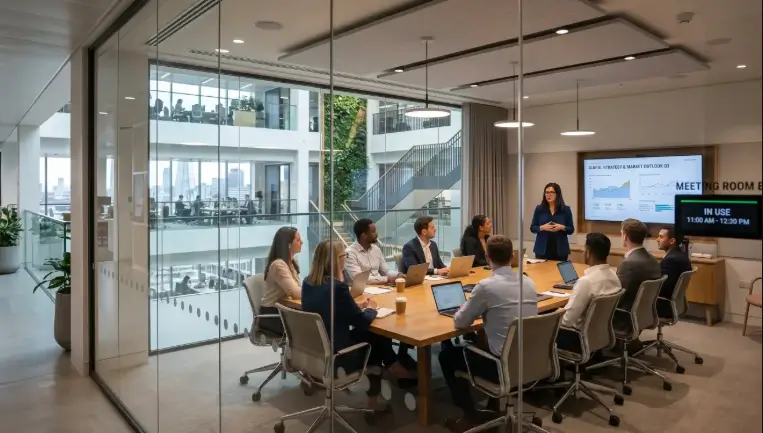
The CEO is mid-sentence, delivering the line everyone rehearsed, when the sun swings past the building across the street and floods the boardroom with light. Half her face turns white on the monitor. Then the sound recordist raises a hand, because every word is bouncing off three walls of glass.
If you’ve ever filmed in a Brisbane CBD tower, that scene probably feels familiar. Glass-walled offices look fantastic in person, but they’re one of the trickiest places to shoot video. The good news is that both problems, echo and glare, are predictable and fixable once you understand what’s causing them.
Why Glass Offices Are So Hard to Film In
Glass is a hard, flat surface, and hard surfaces reflect sound almost perfectly. In a typical meeting room with floor-to-ceiling windows, a glass partition and a polished concrete or timber floor, your speaker’s voice reflects off every side and arrives at the microphone a fraction of a second late. That slight delay creates the hollow, “talking in a bathroom” sound viewers notice straight away.
Light behaves in a similar way. Glass lets in huge amounts of daylight, and it also reflects light from neighbouring buildings, the sky and your own film lights. Brisbane’s subtropical sun makes this worse. For much of the year the light is intense, high in the sky and changes quickly as clouds roll through, so exposure can shift several times during a single take.
Then there are the hidden extras. Air conditioning hums, lift shafts rumble, and you might catch a reflection of the camera operator in the glass behind your subject.
Taming Echo Before You Hit Record
The most effective fix is to bring soft surfaces into the room. Sound blankets, moving blankets or portable acoustic panels placed just out of frame absorb reflections before they reach the mic. Even hanging two blankets on stands behind the camera can make a dramatic difference. Crews that handle video production brisbane jobs in CBD towers often carry a set of these in the van for exactly this reason.
Use what the office already has, too. Rugs, upholstered chairs, bookshelves and indoor plants all break up sound waves. If you can choose between rooms, pick the one with carpet and fewer glass walls, even if the view isn’t as impressive.
Microphone choice matters just as much. A lavalier mic clipped to the speaker’s shirt sits close to the mouth, so it captures far more direct voice than reflected sound. Pair that with a boom mic positioned just above the frame as a backup, and you’ll have two clean options in the edit.
Finally, deal with mechanical noise. Ask building management whether the air conditioning in that zone can be paused for short takes. Switch phones to flight mode, and put a sign on the door so people don’t wander in.
Controlling Sun Glare and Reflections
Start with timing. Visit the space a few days before the shoot, at the same hour you plan to film, and note where the sun falls. East-facing rooms are usually hardest in the morning, west-facing rooms in the afternoon. A simple sun-tracking app can show exactly when direct light will hit the windows.
Next, change the angle rather than fighting the light. Placing your subject side-on to the window often gives soft, flattering light on one side of the face. Shooting with the window directly behind the speaker usually forces a choice between a dark face and a blown-out skyline.
When you can’t move, control the glass. Professional crews often use these tools:
- ND (neutral density) gel or film on windows to cut brightness without changing colour
- Polarising filters on the lens to reduce reflections in glass behind the subject
- Black fabric or flags to block reflections of the crew and equipment
- Diffusion frames to soften harsh light falling on the speaker
ND gel is worth a quick explanation. It’s a thin, tinted sheet that reduces how much light passes through, a bit like sunglasses for the window. It keeps the outside view visible while letting your indoor lighting do its job.
When Lighting and Sound Start Working Against Each Other
Here’s a catch many people miss. Some of the fixes for glare can make audio harder, and the reverse is also true. Closing heavy blinds helps with light but may push you to bring in more film lights, which add heat and sometimes fan noise. Moving the subject away from the window for better light can put them closer to a noisy air vent.
That’s why the best shots plan sound and light together. A short recce (a site visit before filming) lets the crew walk the room, clap their hands to test the echo, check the sun and map out power points in one go. On a busy corporate day, those 30 minutes can save hours of re-shoots.
When to Bring in the Professionals
A quick internal video for the team chat can survive a little echo. A CEO message to investors, a recruitment campaign or a brand film for your homepage can’t. Poor sound is one of the fastest ways to make viewers click away, and bad exposure makes even senior leaders look less confident on screen.
If your office is mostly glass and the content matters, working with a crew that shoots in CBD offices every week is usually worth it. Experienced teams arrive with acoustic treatment, window gels and lighting kits sized for the space, and they know which rooms in local towers tend to cause trouble.
Angry Chair is one Brisbane studio that handles this kind of corporate work, from site access through to the final edit. When you brief any provider, mention the room type, the direction it faces and the time you want to film, so they can bring the right gear.
See also: Why Small Businesses Need a Web-Based Inventory Management System
Getting Clean Footage From a Glass Office
You don’t have to give up the impressive office backdrop to get good results. Choose your filming window around the sun, soften the room with blankets and furniture, mic the speaker closely and control the glass with gels or polarisers. Test everything in a short trial before the real one.
When you’re comparing options, ask any video production company Brisbane offices to recommend how they would handle your specific room. A clear, confident answer is often the best sign you’re in good hands, and your footage will sound and look the way that office deserves.