ByJohn A
Indian Anklet Styles: From Traditional to Contemporary Designs
Indian anklet styles have changed noticeably over the past decade, moving from a fairly narrow set of traditional payal designs to a much wider range that includes lighter, more contemporary pieces. This article looks at how these styles differ and how to decide which fits a specific wardrobe or occasion.
Classic Payal Designs
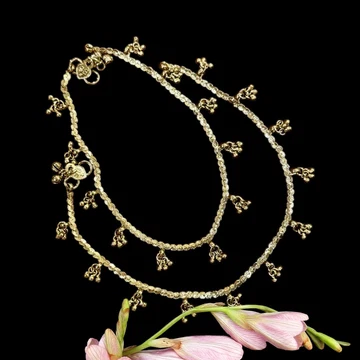
Traditional Indian anklet styles typically center on payal, silver jewelry pieces with small bells or charms attached along a chain. These designs have stayed largely consistent for generations, valued for their sound as much as their appearance in many households.
Heavier classic payal, often part of a larger jewelry set worn for weddings or festivals, tend to include multiple chain layers and detailed charm work that catches light and movement.
Contemporary Alternatives
Newer Indian anklet styles have moved toward simpler, single-chain designs, sometimes in gold jewelry rather than the traditional silver jewelry base. These lighter pieces suit daily wear with western outfits as easily as they do with Indian clothing, which has made them suitable for more than festive occasions.
Minimalist charm anklets, featuring a single small pendant rather than a full row of bells, have also become popular among younger buyers looking for a subtle accessory rather than a statement piece.
Mixing Traditional and Modern
Some newer Indian anklet styles combine a traditional payal base with more contemporary charm details, offering a middle ground for anyone who wants recognizable ethnic jewelry without the full weight of a classic design. This combination has made anklets more approachable for everyday styling.
Choosing Based on Occasion
Heavier, detailed anklets generally suit festive occasions and weddings, where they pair with a larger jewelry set and coordinate with other bridal accessories. Lighter contemporary styles work better for daily wear, where ease of wear matters more than visual impact.
For anyone comparing both directions, browsing an Indian anklet collection from Jida Jewels that spans traditional payal and lighter contemporary designs makes it easier to see the difference in scale and detail side by side.
Metal Choices Across Styles
Silver jewelry remains the more traditional metal choice for anklets, largely due to ease of wear and affordability for daily wear, while gold jewelry anklets tend to appear more in bridal or festive contexts. Some contemporary designs also use oxidized silver for a slightly different finish that suits casual outfits.
Caring for Different Styles
Detailed payal with multiple charms need more careful storage than simple contemporary chains, since tangled charms are harder to untangle without damaging the piece. Keeping each anklet in its own small pouch avoids this problem regardless of which style is chosen.
Shopping Tips Across Both Directions
When comparing traditional and contemporary options in one sitting, it helps to try both on with the actual footwear planned for the occasion, since sandals and heels change how an anklet sits and how visible it is. A design that looks great in a photo can sit differently once shoes are added to the picture.
Buying one of each type, a detailed payal for festive jewelry occasions and a simple everyday chain, tends to cover most needs without requiring frequent repeat purchases as styles shift from one season to the next.
See also: What Helps Business Newsletters Get Better Response and Lasting Engagement
What to Ask Before Buying
Asking about clasp type matters more than most buyers expect, since a secure clasp prevents loss during a long day of movement at a festive event. Adjustable designs are worth asking about specifically for anyone unsure of exact ankle sizing.
It also helps to ask whether a piece is plated or solid metal, since this affects both price and how the anklet should be cared for over time, particularly for pieces meant to be worn often rather than saved for occasional wear.
How Trends Are Likely to Shift
Anklet designs tend to follow broader jewelry trends with a slight delay, so styles seen first in necklaces or earrings, like mixed metal work or colored stone accents, often appear in anklet collections a season or two later. Watching these broader trends can offer a preview of what contemporary anklet options will look like next.
Traditional payal designs, on the other hand, have remained largely stable over time, which is part of why they continue to be chosen for weddings and other ceremonies where consistency with family tradition matters more than following current trends.
A Quick Recap of Style Differences
Traditional payal tends to favor multiple chain layers, bell charms, and a silver jewelry base rooted in long-standing regional patterns, while contemporary Indian anklet styles lean toward single chains, minimal charms, and a broader range of metals including gold jewelry and oxidized finishes. Neither direction is inherently better, only better suited to different occasions and personal taste.
Keeping both a traditional and a contemporary option on hand covers most situations that come up across a typical year, from festivals and weddings to regular daily wear.
Buying for Different Budgets
Contemporary Indian anklet styles tend to offer more budget flexibility than traditional payal, since simpler single chain designs require less metal and labor to produce. This makes them a practical entry point for anyone building a jewelry collection gradually rather than investing heavily in one detailed piece.
On the higher end, custom payal with detailed charm work or gemstone accents remain available for buyers looking for a statement piece reserved for major occasions rather than daily rotation.
Caring for Mixed Metal Pieces
Contemporary designs that combine gold jewelry tones with silver jewelry accents need slightly more careful storage, since the two metals can react differently to moisture and cause uneven tarnishing over time. Storing mixed metal anklets separately from single metal pieces helps preserve both finishes for longer.
A quick wipe with a dry cloth after each wear, regardless of metal type, remains the simplest habit for keeping any anklet looking close to new across repeated use.
Final Thoughts
The range of Indian anklet styles available today means there is rarely a single right choice, only what fits a specific occasion and personal preference. Whether the pick is a traditional silver jewelry payal for a festival or a light gold jewelry chain for daily wear, understanding the differences between styles makes the decision considerably easier.SEO Notes