ByJohn A
Why Instant Pay & On-Demand Paystubs are Trending in 2026
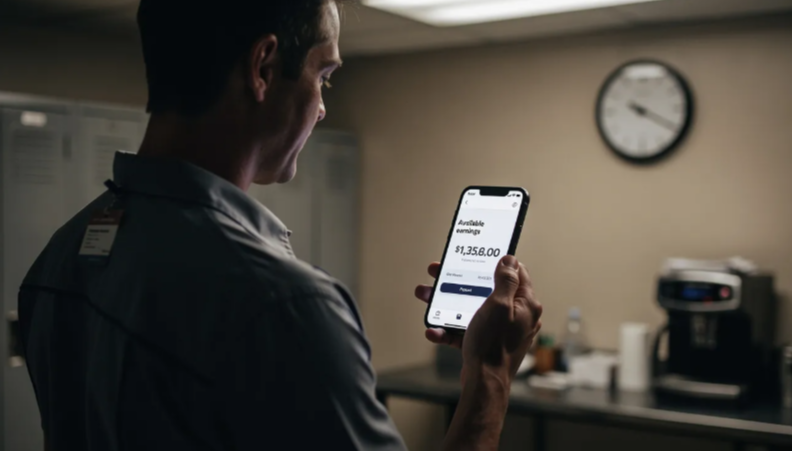
The modern workplace has officially moved beyond the rigid bi-weekly pay cycle. Driven by high living costs, inflation recovery, and a shift toward digital-first financial management, millions of workers now expect immediate access to their earned income.
To meet workforce expectations without creating payroll chaos, businesses are turning to a pay stub generator to issue instant, professional earnings receipts whenever early wages are drawn.
1. The Rise of Earned Wage Access (EWA) in Modern Payroll
On-demand pay has transformed from a niche perk into an essential recruitment and retention tool. Workers no longer want to wait two weeks to cover urgent expenses, buy groceries, or pay bills. By offering flexible pay schedules, companies significantly reduce financial stress for their employees and increase shift pickup rates.
However, releasing wages mid-cycle introduces complex record-keeping obligations. State labor boards and tax authorities still require employers to track every dollar distributed, along with all corresponding federal and state tax withholdings. Issuing real-time proof of pay ensures that both the employer and employee maintain complete financial visibility over mid-month advances and final check balances.
Key Benefits Driving the Demand for Instant Paystubs:
- Employee Financial Wellness: Reduces reliance on high-interest payday loans and credit cards.
- Higher Retention: Businesses offering instant pay experience lower voluntary turnover rates.
- Real-Time Income Tracking: Provides workers with immediate documentation for budgeting, loan applications, or lease approvals.
- Audit Transparency: Keeps an active paper trail of voluntary post-tax wage draws and remaining net balances.
2. Previewing On-Demand Statements to Ensure Tax Accuracy
Distributing funds outside of traditional pay dates increases the risk of calculation errors, particularly regarding voluntary wage deductions and tax withholdings. If an employee takes an advance on Monday, their end-of-month stub must properly deduct that advance while maintaining accurate gross pay and tax tracking.
To avoid accounting discrepancies, managers use flexible digital tools that permit pre-issuance adjustments. Utilizing a customizable free paystub template gives payroll administrators the power to double-check wage calculations, gross-to-net math, and advance deductions prior to finalizing any documents. Previewing a template before creating it ensures that on-demand earnings draws are accurately reflected, preventing duplicate payments or tax calculation mismatches on the final pay period summary.
| Payroll Approach | Traditional Bi-Weekly Payroll | Modern On-Demand Payroll |
| Payout Frequency | Rigid (Fixed 14-day cycle) | Flexible (Real-time or weekly access) |
| Documentation Timing | End-of-cycle paystub only | Instant, per-transaction or mid-cycle stubs |
| Error Risk | Low frequency, bulk correction | High frequency without pre-generation preview |
| Worker Satisfaction | Moderate (Liquidity delays between cycles) | High (Immediate access to earned income) |
3. Simplifying Compliance with Automated Record Generation
As state regulations around Earned Wage Access tighten, business owners must ensure that on-demand payouts do not run afoul of wage assignment or improper deduction laws. Having standardized, timestamped payment vouchers is the most reliable way to prove that early payouts were requested employee advances rather than miscalculated wage underpayments.
Implementing a streamlined free check stubs maker allows HR teams and business managers to generate clear, itemized proof of pay on the spot. Whether issuing a mid-week advance receipt or generating the final cycle check stub with itemized EWA deductions, having an intuitive tool keeps business records organized, audit-ready, and compliant with evolving labor standards.
Meeting the Demand for Pay Flexibility Safely
Instant pay is no longer a future trend—it is the modern standard for payroll administration. By combining flexible payout models with instant, accurate document creation, small businesses can attract top talent, boost morale, and avoid costly compliance pitfalls. Adopting reliable, preview-first paystub tools allows employers to deliver the instant flexibility workers want while preserving the rigorous accounting standards businesses need.