ByJohn A
Residential Waste Removal for Large Property Cleanouts
Large property cleanouts can become overwhelming quickly. A house that has been occupied for years may contain unwanted furniture, old appliances, broken household goods, storage boxes, yard debris, outdated materials, and items that have gradually accumulated in garages, basements, attics, sheds, and spare rooms. What appears to be a simple cleanup can turn into a major project once every part of the property is opened and sorted.
For property owners, the biggest challenge is often not deciding that a cleanout needs to happen. It is creating a practical system for removing large amounts of unwanted material without letting the project take over the property. Residential waste removal planning helps keep the work organized, reduces repeated handling, and gives owners a clearer path from a cluttered property to a usable space.
Why Large Property Cleanouts Require a Plan
A single-room cleanup can often be handled with standard trash service and a few donation trips. A whole-property cleanout is different because debris comes from multiple areas and may include many types of materials. Furniture, boxes, household clutter, damaged shelving, outdoor items, renovation debris, and storage materials can add up quickly.
Without a plan, owners often create several temporary piles. Items are moved from rooms to the garage, from the garage to the driveway, and then loaded again for disposal. Every extra move adds time and physical effort.
A better strategy creates clear categories and a designated place for waste from the beginning.
See also: Condo Investment Trends Shaping Singapore’s Property Market
Starting With a Property-Wide Walkthrough
Before cleanup begins, property owners should walk through the entire site and identify which areas need attention. This includes obvious spaces such as bedrooms and living areas, but also closets, utility rooms, crawl spaces, garages, barns, sheds, attics, basements, and outdoor storage areas.
The walkthrough helps reveal the true size of the project. A relatively clean house may still have a packed garage or several outbuildings filled with old materials. Owners should note bulky items, heavy debris, restricted access areas, and materials that may require separate handling.
Understanding the full scope makes it easier to plan the cleanout in logical stages.
Creating Simple Sorting Categories
Sorting is one of the most important parts of a large property cleanout. Owners should avoid treating every unwanted item as trash. Some belongings may still be useful, valuable, recyclable, or important to family members.
Simple categories such as keep, donate, sell, recycle, and discard are usually enough. Items in the discard category can move directly toward the waste removal system, while the others should be placed in clearly separated areas. This reduces confusion and prevents unwanted materials from being mixed with belongings that still need attention.
The simpler the sorting system is, the easier it is for family members and helpers to follow.
Using a Dumpster as a Central Collection Point
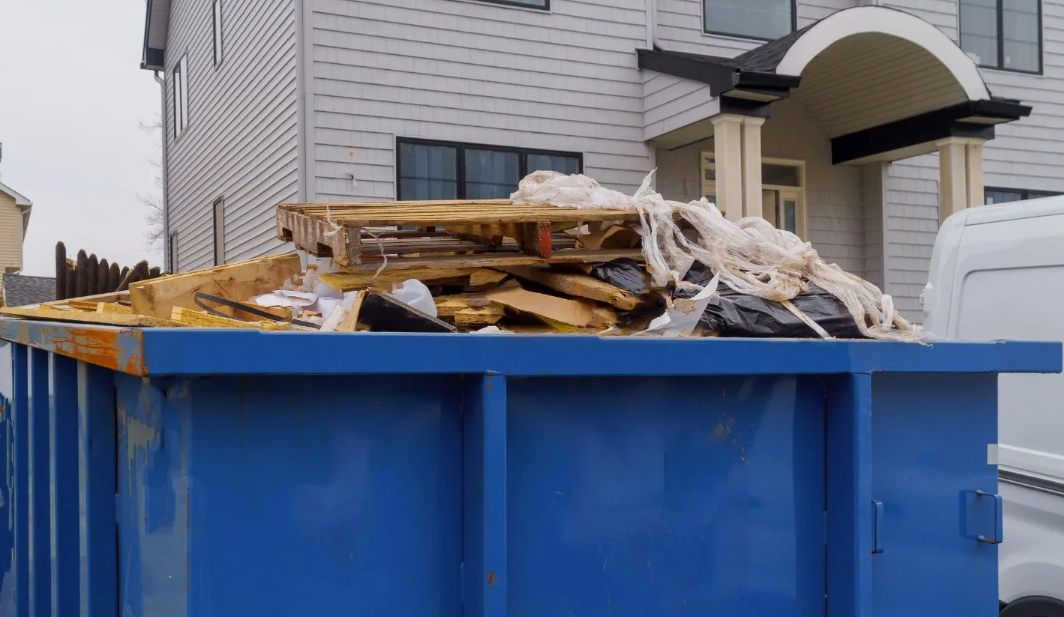
Large cleanouts become much easier when there is one central place for disposable materials. Instead of leaving bags, broken furniture, and damaged household items in several areas, owners can move debris toward a single container as they work.
Working with providers such as Waste Removal USA can help property owners coordinate dumpster rental options for large residential cleanouts. A well-placed container gives the project a clear disposal point and reduces the need to move the same material several times.
This can be especially helpful when a cleanout takes place over several days or involves multiple people working in different parts of the property.
Tackling Storage Areas Early
Garages, basements, attics, sheds, and other storage spaces often contain the greatest concentration of unwanted material. These areas become holding zones for broken items, extra furniture, old tools, empty boxes, holiday decorations, outdated equipment, and things that were never assigned a permanent place.
Clearing storage areas early can create valuable staging space for the rest of the project. Once a garage or basement is open, it can temporarily hold donation items, packed belongings, or materials waiting for pickup.
Starting with these areas also gives property owners a more realistic understanding of how much waste the full cleanout may create.
Handling Barns and Outbuildings Separately
Rural and larger residential properties may include barns, detached garages, workshops, sheds, or other outbuildings that need their own cleanup strategy. These spaces can contain old lumber, scrap material, tools, farm supplies, shelving, equipment parts, household storage, and damaged items that have accumulated for decades.
A large barn cleanout is often easier to manage as its own phase instead of combining it with the house cleanup. The materials, access routes, and sorting decisions may be very different from those inside the home.
Treating each outbuilding as a separate project keeps the work more organized and prevents one difficult area from slowing the entire property cleanout.
Removing Bulky Items Before Smaller Clutter
Large furniture and broken household goods can make rooms difficult to work in. Old sofas, mattresses, tables, cabinets, shelving, rugs, and large storage units take up space and block access to smaller items that still need to be sorted.
Removing obvious bulky discards early can open up the property. Once the largest items are gone, owners have more room to organize boxes, clear closets, and move through hallways. Large items should be loaded carefully so they do not waste unnecessary container space.
Opening up rooms early also creates visible progress, which can make a long cleanout feel more manageable.
Planning Clear Debris Routes
Moving unwanted materials out of a property requires a practical route. Owners should consider which doors, hallways, stairways, gates, and driveways will be used during the cleanout. These paths should remain as clear as possible.
A good debris route reduces carrying distance and helps prevent damage to parts of the home that are not being cleaned out. Floor protection may be useful when heavy or dirty materials need to pass through finished areas. Outdoor routes should also avoid blocking vehicles or creating piles in walkways.
The closer the waste container is to the main cleanup route, the less time workers spend carrying materials across the property.
Avoiding Repeated Disposal Trips
One of the most tiring parts of a large cleanout is making repeated disposal trips. Vehicles must be loaded, driven to an appropriate facility, unloaded, and returned to the property. A few trips can consume an entire day without making much visible progress inside the house.
A dumpster allows cleanup to continue while the container remains on-site. Owners and helpers can focus on sorting and clearing instead of interrupting the work every time a vehicle is full.
Reducing transportation also makes larger cleanouts easier to schedule around weekends, family availability, and property deadlines.
Managing Cleanouts Before a Sale or Transition
Many large residential cleanouts happen because a property is changing hands. The owner may be downsizing, preparing to sell, settling an estate, moving a family member, or getting a rental property ready for its next use. These situations often come with firm timelines.
Waste removal should happen early enough to support the tasks that come afterward. Once clutter is removed, cleaners, painters, flooring contractors, inspectors, real estate professionals, and repair crews can access the property more easily. The owner can also see which repairs are actually needed.
A successful cleanout should prepare the property for its next stage rather than becoming a last-minute obstacle.
Planning for Cleanup After the Main Cleanout
Large property cleanouts often reveal additional work. Once stored items and furniture are removed, owners may discover damaged flooring, broken shelving, stained carpet, deteriorated trim, or areas that need minor demolition. Outdoor spaces may also contain old fencing, landscape materials, or damaged structures that need attention.
Property owners should leave some flexibility in the waste plan for these discoveries. The final cleanup phase may generate more material than expected, especially when repair work begins after rooms are emptied.
Planning for a second wave of debris prevents the project from stalling just as the property begins to look finished.
Understanding What Needs Separate Handling
Not every item found during a cleanout belongs in a standard dumpster. Paint, chemicals, batteries, tires, electronics, certain appliances, and hazardous materials may require different handling depending on local requirements and rental rules.
These items should be identified and set aside during sorting. Mixing them with general household waste can create problems later. Property owners should ask questions before loading anything they are unsure about.
A separate area for restricted or questionable items keeps the main cleanup moving while proper disposal arrangements are made.
Keeping the Property Organized During Multi-Day Work
Large cleanouts often take several days or weekends. At the end of each work period, owners should leave the property in a condition that makes it easy to restart. Walkways should be clear, sorted materials should remain separated, and loose debris should not be scattered across work areas.
A short end-of-day cleanup can prevent the project from becoming harder each time people return. It also protects the property from wind, rain, and other conditions that can spread outdoor materials.
Consistent organization is often what allows a large cleanout to continue making steady progress.
Avoiding Common Cleanout Mistakes
One common mistake is underestimating the amount of material on the property. Closets, sheds, garages, and attics can hold far more than owners expect. Another mistake is pulling everything out at once and creating a larger mess before a disposal plan is ready.
Owners should also avoid making every decision slowly. Sentimental or valuable items deserve careful attention, but obvious trash and damaged materials can often be removed quickly. Separating difficult decisions from easy ones helps the project continue moving.
The most effective cleanouts combine thoughtful sorting with immediate removal of materials that clearly need to go.
Residential waste removal is a major part of successfully completing a large property cleanout. Whole-house projects, estate transitions, downsizing, neglected properties, garages, barns, sheds, and outdoor areas can generate significant amounts of unwanted material. Without a plan, debris can spread from one area to another and create more work.
By walking the property first, creating simple sorting categories, using a central disposal point, clearing bulky items early, and handling difficult areas in stages, property owners can keep the project under control. A strong waste removal strategy makes it easier to see progress, prepare the property for its next use, and turn an overwhelming cleanup into a structured process with a clear finish.